 17 hours ago
This article originally appeared on PolitiFact
You may have recently heard about peptides from a wellness influencer, a gym friend, or even the U.S. Secretary of Health and Human Services.
Peptides are promoted for a variety of benefits: building muscle, reducing fat, enhancing memory, speeding wound healing, and improving skin health. But what exactly are peptides? Are they safe? And can they really deliver on these claims?
Here’s what we know about peptides and how the U.S. Food and Drug Administration (FDA) may work to make them more accessible.
What Are Peptides?
Peptides are short chains of amino acids—essentially fragments of proteins. They occur naturally in the body and are also obtained through the foods we eat.
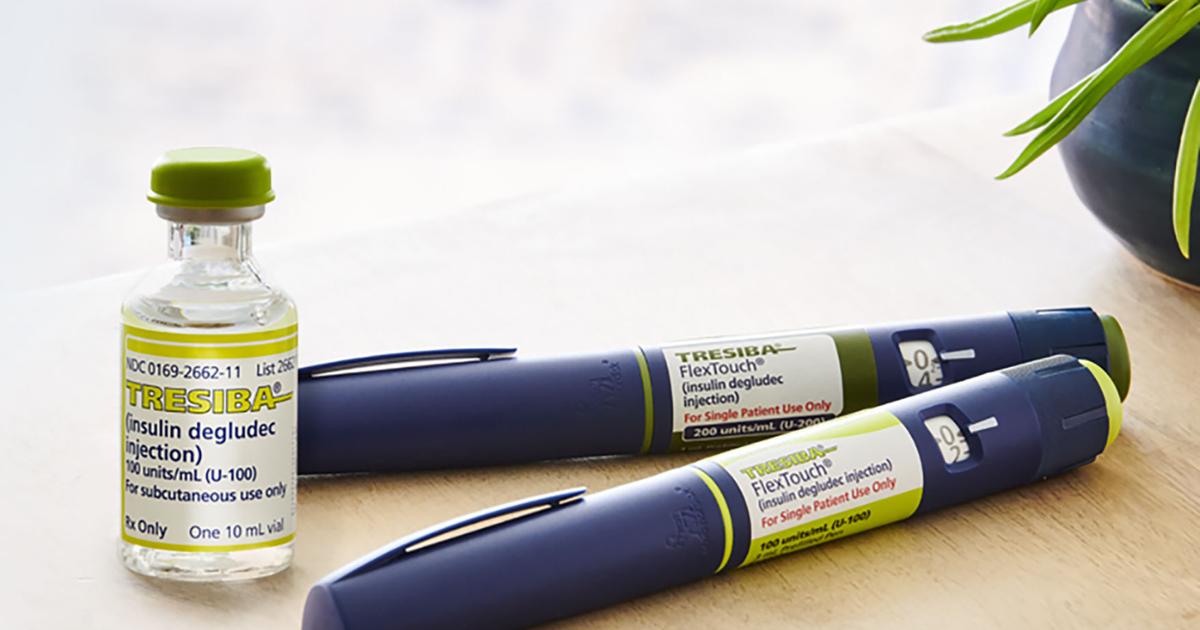
Peptides play roles in digestion, triggering ovulation, regulating blood pressure, and more. For example, insulin, the hormone that helps regulate blood sugar, is a peptide.
Scientists have synthesized some peptides outside the body and developed them into medications, just as they have with insulin.
WATCH: New book by former FDA head explores the science behind GLP-1 weight loss drugs
Several FDA-approved peptide medications serve diverse purposes, such as increasing hormone production (tesamorelin), treating light-exposure disorders (afamelanotide), and enhancing libido (bremelanotide).
The newest class of diabetes and weight-loss drugs, GLP-1 receptor agonists like Ozempic and Zepbound, are also peptides.
Other peptides, such as collagen peptides, are available over the counter as oral supplements similar to vitamins.
Non-FDA-Approved Peptides
FDA-approved peptide medications have been tested for safety in clinical trials and are approved to treat specific conditions, though doctors may prescribe them off-label for other uses.
However, many peptides used by athletes and wellness enthusiasts are not FDA-approved. Most of these are injectable peptides with names that may sound like Star Wars droids.
Examples include CJC-1295 and Ipamorelin, which are claimed to boost muscle mass, cognition, and sleep by stimulating human growth hormone production. Peptides like BPC-157 and TB-500 are promoted for muscle and tissue healing. Some users combine these into a so-called "Wolverine stack." Others, like Melanotan, are marketed to enhance tanning. Many of these peptides are banned for professional athletes by the World Anti-Doping Agency.
WATCH: The promise of obesity drugs and their potential risks
Most safety and efficacy data for these peptides come from animal studies rather than human trials. This lack of clinical data makes it difficult to determine proper dosing, and long-term safety risks remain unknown.
"Each of the ten or so most popular peptides remain somewhat of a mystery in terms of their impacts when used in people," said Paul Knoepfler, a cell and molecular biologist at the University of California Davis School of Medicine.
While some of these peptides may eventually become approved therapeutics, current evidence is limited. Doctors caution against using peptides without physician oversight.
Current Regulatory Landscape
Before 2024, many pharmacists were allowed to compound peptides when prescribed by a doctor. However, in late 2023, due to safety concerns, the FDA reclassified more than a dozen peptides, making them ineligible for compounding pharmacies to produce.
This led to a gray market where online retailers sell peptides marketed for their health benefits but include disclaimers stating they are for "research use only" or "not for human consumption."
Despite these warnings, many consumers buy and self-administer these peptides.
"No one really knows what dose to use, whether combining different peptides together adds more risks like toxicity, whether the peptides could increase cancer risk such as through stimulating new blood vessel growth, and the list goes on," Knoepfler explained.
In addition to unknown safety risks, purchasing injectable medications online carries further uncertainty. Finnrick, a Texas-based lab that offers free testing of online peptide sellers, has found that products often do not match their advertised contents.
Health and Human Services Secretary Robert F. Kennedy Jr., known for questioning the safety of common childhood vaccines and advocating for "gold-standard" placebo-controlled clinical trials, has said he uses peptides and intends to make them more accessible. He vowed to end the "war on peptides" and, in a February 27 interview with podcaster Joe Rogan, said his agency would take action within weeks.
However, he did not mention that most peptides currently lack the randomized placebo-controlled clinical trials he demands for other pharmaceuticals.
A free press is a cornerstone of a healthy democracy.
Support trusted journalism and civil dialogue.