 6 days ago
Introduction
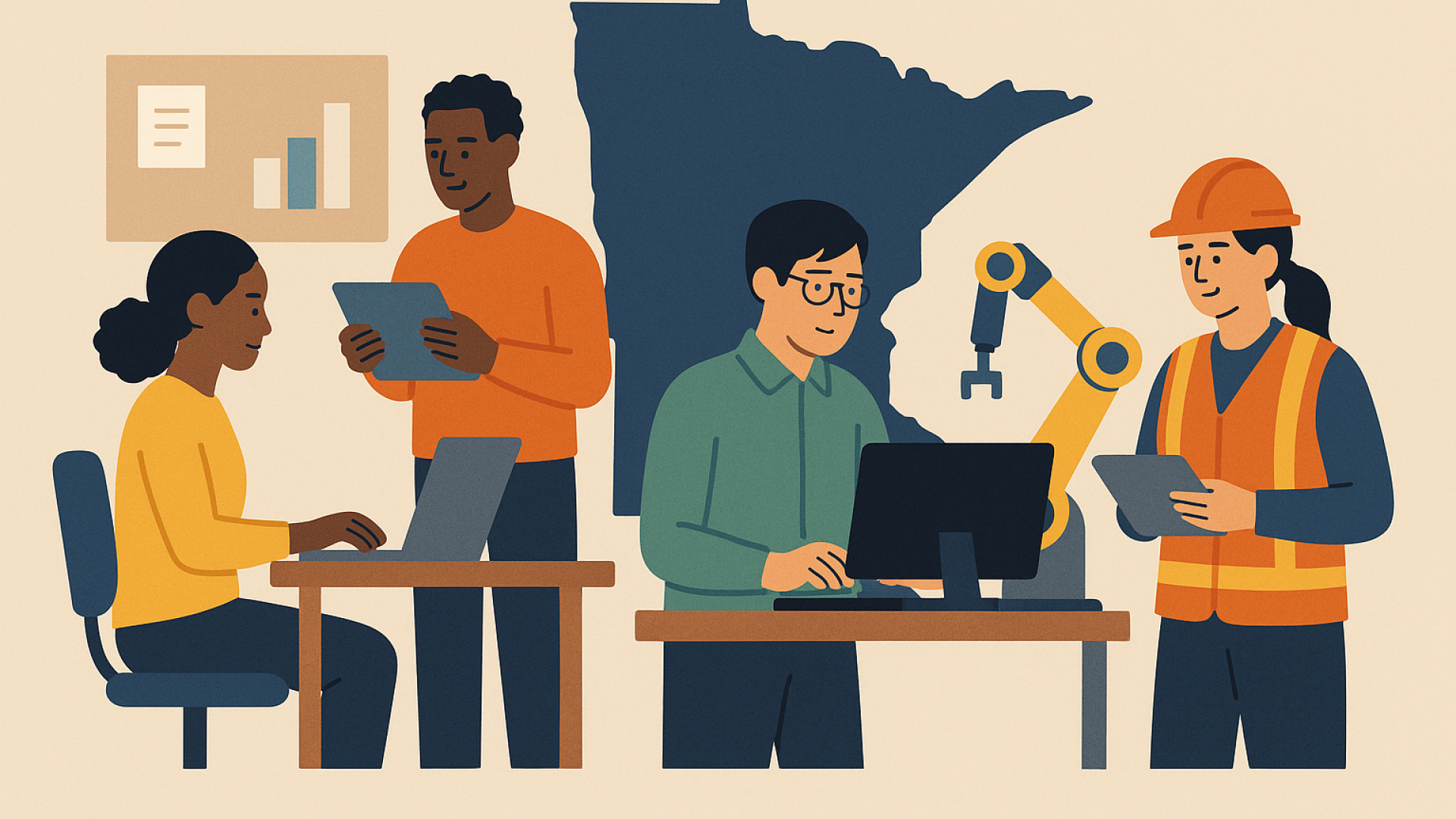
As we step into 2026, the state of Minnesota stands at the forefront of a technological revolution that is fundamentally altering the nature of work. From the Twin Cities to rural communities, advancements in digital tools, automation, and artificial intelligence are reshaping how Minnesotans perform their jobs, interact with colleagues, and balance their professional and personal lives. This article explores the multifaceted impact of technology on Minnesota's workforce, examining the context of these changes, their core effects, potential solutions to emerging challenges, and what the future may hold.
Context: The Technological Wave in Minnesota's Work Environment
Minnesota has long been recognized for its diverse economy, encompassing sectors such as manufacturing, healthcare, agriculture, and technology. Over the past decade, the state has seen a steady increase in technology adoption, accelerated further by the COVID-19 pandemic, which forced many businesses to pivot rapidly to remote work and digital operations.
According to recent studies, Minnesota ranks among the top states in the U.S. for tech employment growth, with a significant rise in jobs related to software development, data analytics, and cybersecurity. This growth is supported by a robust educational infrastructure, including institutions like the University of Minnesota and numerous technical colleges that supply a steady stream of skilled workers.
However, this technological surge also presents challenges. Traditional industries such as manufacturing face automation pressures, while workers must adapt to new skill requirements. The digital divide remains a concern, particularly in rural areas where broadband access is limited, potentially exacerbating inequalities. These disparities highlight the need for targeted policies and investments to ensure that all Minnesotans can benefit from technological advancements.
The Core Impact of Technology on Work in Minnesota
1. Automation and Job Transformation
Automation technologies, including robotics and AI-driven systems, are increasingly integrated into Minnesota's manufacturing plants and service sectors. While automation can enhance productivity and reduce operational costs, it also transforms job roles, often shifting human labor from repetitive tasks to more complex, supervisory, or creative functions.
For example, in the automotive and food processing industries, robots now handle assembly line tasks, while human workers focus on quality control and maintenance. This shift demands continuous upskilling and reskilling to keep pace with evolving job requirements. Moreover, automation is not limited to manufacturing; sectors such as logistics, retail, and even healthcare are adopting automated processes to improve efficiency and accuracy.
2. Remote Work and Digital Collaboration
The pandemic accelerated the adoption of remote work technologies such as video conferencing, cloud computing, and collaborative platforms. Many Minnesota companies have embraced hybrid work models, allowing employees to split time between home and office.
This flexibility has improved work-life balance for many but also introduced challenges related to employee engagement, communication, and cybersecurity. Employers are investing in digital infrastructure and training to support effective remote collaboration. Additionally, companies are exploring innovative ways to maintain company culture and team cohesion in a distributed work environment, including virtual team-building activities and enhanced communication protocols.
3. Data-Driven Decision Making
Businesses across Minnesota increasingly rely on big data and analytics to inform strategic decisions. From healthcare providers using patient data to improve outcomes, to retailers optimizing inventory through consumer behavior analysis, data technology is central to operational success.
This trend requires workers to develop data literacy skills and adapt to new workflows that integrate data insights into daily tasks. Organizations are investing in training programs to enhance employees' analytical capabilities, enabling them to interpret complex data and contribute to data-informed strategies. Furthermore, ethical considerations around data privacy and security are becoming integral to business practices.
4. Emerging Tech Sectors and Job Creation
The rise of sectors such as renewable energy, biotechnology, and fintech in Minnesota is creating new employment opportunities. Startups and established companies alike are leveraging cutting-edge technologies to innovate, attracting talent and investment to the state.
These sectors often demand specialized skills, prompting educational institutions and training programs to evolve curricula accordingly. For instance, universities are expanding offerings in bioinformatics, clean energy engineering, and financial technology, while workforce development initiatives focus on equipping workers with the skills needed for these emerging fields. This dynamic environment fosters entrepreneurship and positions Minnesota as a hub for technological innovation.
Challenges and Solutions
Addressing the Skills Gap
One of the most pressing challenges is the skills gap between the current workforce and the demands of technology-driven jobs. Many workers, especially those in traditional industries, may lack the necessary digital skills.
To address this, Minnesota has launched several initiatives focused on workforce development, including partnerships between government, industry, and educational institutions. Programs offering coding boot camps, digital literacy courses, and apprenticeships aim to equip workers with relevant skills. Additionally, lifelong learning is being promoted as a cultural norm, encouraging employees to continuously update their competencies to remain competitive in a rapidly changing job market.
Bridging the Digital Divide
Ensuring equitable access to technology is critical. Rural and underserved communities often face limited broadband connectivity, hindering participation in the digital economy.
State and federal investments in broadband infrastructure are underway, aiming to expand high-speed internet access. Additionally, community centers and libraries provide digital access points and training resources. These efforts are complemented by initiatives to increase digital literacy, ensuring that access to technology translates into meaningful opportunities for education, employment, and civic engagement.
Supporting Mental Health and Work-Life Balance
The shift to remote and hybrid work models has blurred boundaries between work and personal life, sometimes leading to burnout and stress.
Employers in Minnesota are increasingly recognizing the importance of mental health support, offering flexible schedules, wellness programs, and resources to help employees manage stress. Companies are also fostering open dialogues about mental health, reducing stigma, and integrating mental wellness into organizational culture. These measures contribute to healthier, more productive workforces and demonstrate a commitment to employee well-being.
Ensuring Cybersecurity
As reliance on digital tools grows, so does the risk of cyber threats. Minnesota businesses are investing in cybersecurity measures and training employees to recognize and prevent cyberattacks.
Cybersecurity strategies include deploying advanced threat detection systems, conducting regular security audits, and establishing incident response protocols. Employee education is a critical component, with training programs designed to raise awareness about phishing, data protection, and safe online practices. These efforts help safeguard sensitive information and maintain trust with customers and partners.
Looking Ahead: The Future of Work in Minnesota
Technology will continue to be a driving force in shaping Minnesota's workforce. Emerging trends such as artificial intelligence, augmented reality, and advanced robotics promise further transformations.
To thrive in this evolving landscape, collaboration among policymakers, educators, employers, and workers is essential. Emphasizing lifelong learning, inclusive access to technology, and adaptable work environments will help Minnesota maintain its economic vitality and social cohesion.
Moreover, fostering innovation while safeguarding worker rights and well-being will be critical to ensuring that technological progress benefits all Minnesotans. This includes developing policies that support fair labor practices, equitable access to opportunities, and protections against displacement caused by automation.
Investment in research and development, along with public-private partnerships, will drive the creation of new industries and job categories. Additionally, Minnesota's commitment to sustainability and social equity can guide the integration of technology in ways that promote environmental stewardship and community resilience.
Conclusion
The integration of technology into Minnesota's workplaces presents a complex mix of opportunities and challenges. While automation and digital tools enhance efficiency and open new career paths, they also require significant adjustments in skills, infrastructure, and workplace culture.
By proactively addressing these issues through education, infrastructure investment, and supportive policies, Minnesota can harness technology's potential to create a more dynamic, inclusive, and resilient workforce. As the state navigates this transformation, the experiences and lessons learned will offer valuable insights for other regions facing similar changes in the future of work.