
 16 hours ago
The Federal Aviation Administration (FAA) is proposing an airworthiness directive for certain Boeing 787 Dreamliner models after an investigation revealed that shim gaps in some aircraft have exceeded engineering limits. This directive affects 17 US-registered 787s, selected based on their manufacturing dates rather than the entire US fleet.
The directive requires repetitive ultrasonic inspections of splice plates, front and rear spar terminal fittings, lower cords, and jack pads to detect any cracks. Additionally, detailed inspections of splice plates for cracks will be mandated, as outlined in the Federal Register airworthiness directive project identifier AD-2025-01361-T.
Investigation into Manufacturing Errors on the Boeing 787
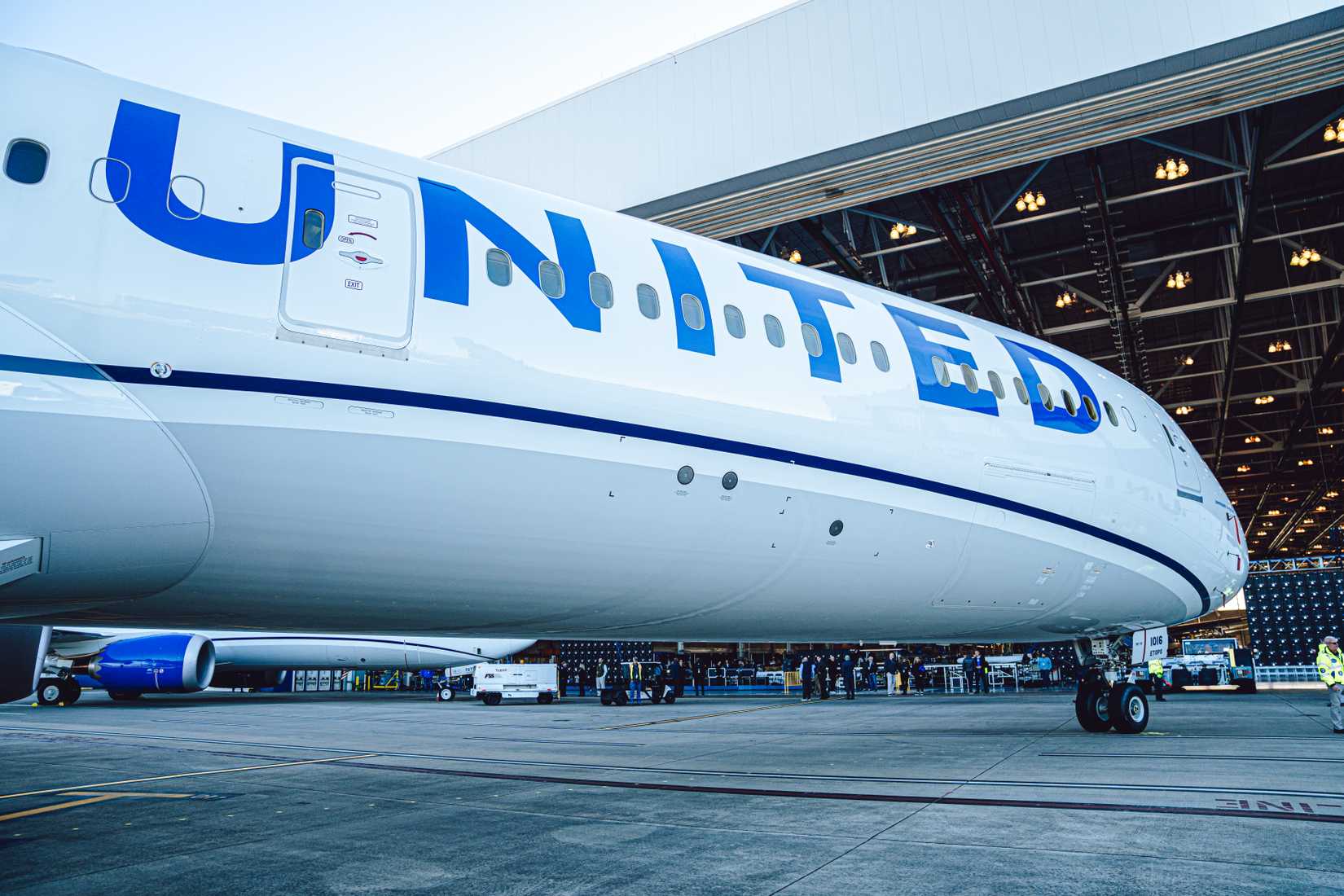
The FAA's findings followed a report concerning manufacturing errors related to excessive preload forces on the lower SOB splice plates, common to the lower outboard wing skins. These preload forces caused shim gaps to exceed engineering allowances.
During operation, the high pull-up forces on these components led to fatigue cracks around fastener holes. A structural assessment revealed that the existing inspection program was insufficient to detect such cracking, resulting in reduced limit load capacity. If unaddressed, these fatigue cracks could weaken the primary wing structure and compromise the aircraft's safety.
Failure to resolve this issue could jeopardize the Boeing 787's ability to operate and land safely. The FAA issued the directive after determining this unsafe condition is likely to exist or develop on other Boeing 787s. The focus on specific aircraft within the 787 family suggests the issue is tied to particular manufacturing dates.
Estimated Compliance Cost for US Operators Exceeds $400,000
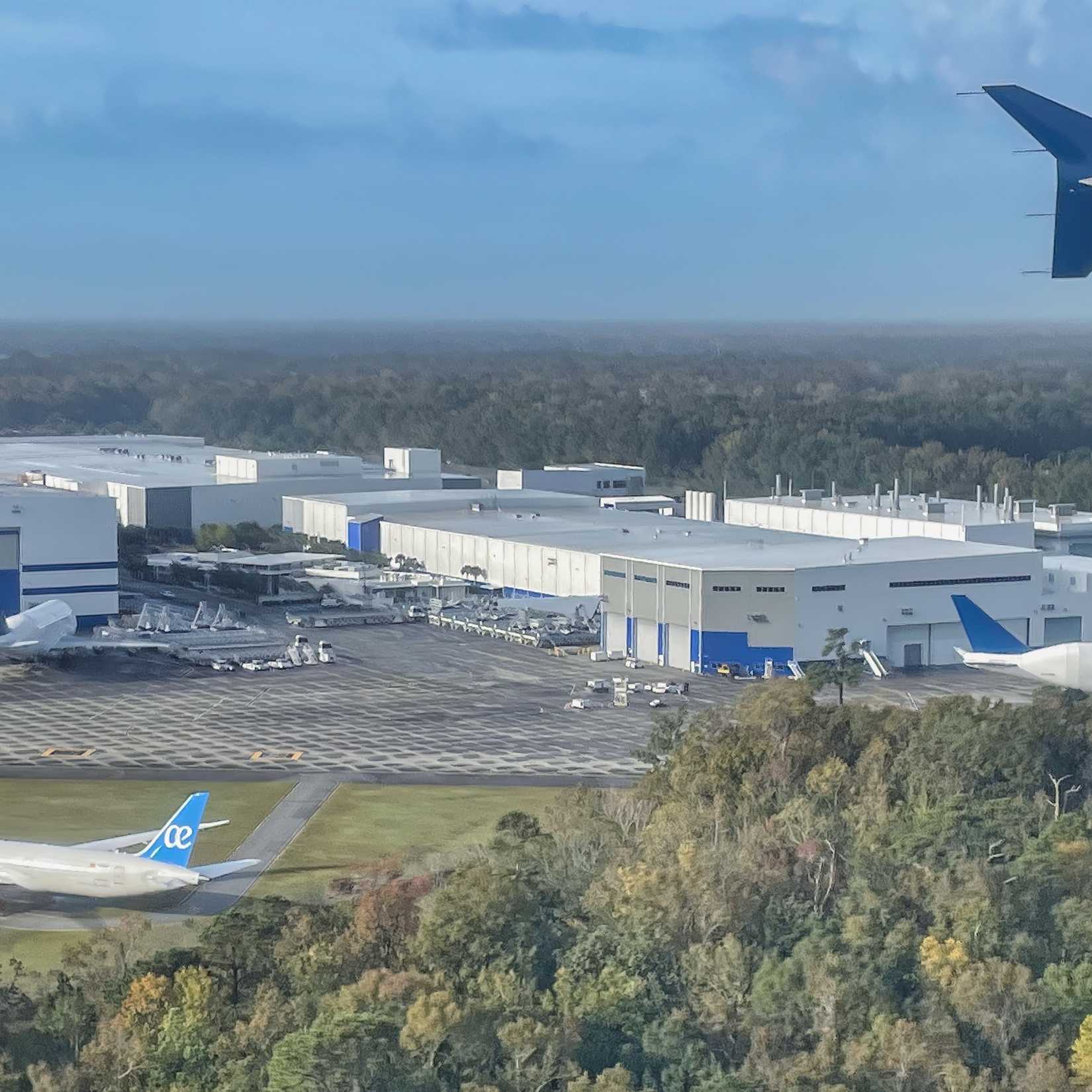
For the 17 affected US-registered aircraft, the FAA estimates the total compliance cost at approximately $413,270, or about $24,310 per aircraft per inspection cycle. Parts costs are minimal, but inspections require up to 286 work hours per cycle. Details are as follows:
| Action Required |
|
| Labor Cost |
|
| Parts Cost |
|
| Cost Per Aircraft |
|
| Total Cost for US Operators |
|
While these costs are estimates, some or all may be covered under the airplane's warranty, potentially reducing the financial impact on operators. The FAA also noted it has not received definitive data regarding on-condition repair costs.
The FAA is accepting comments on this directive until April 27, 2026. It applies to the 787-8, 787-9, and 787-10 models certified in any category within a specific manufacturing timeframe. The FAA stated the directive will not have a significant overall economic impact due to the limited number of affected aircraft.
Related:
FAA To Require Inspections Of Boeing 787 Forward-Pressure Bulkheads
The FAA is proposing an airworthiness directive on the 787 family of jets.
What Is a Shim Gap?
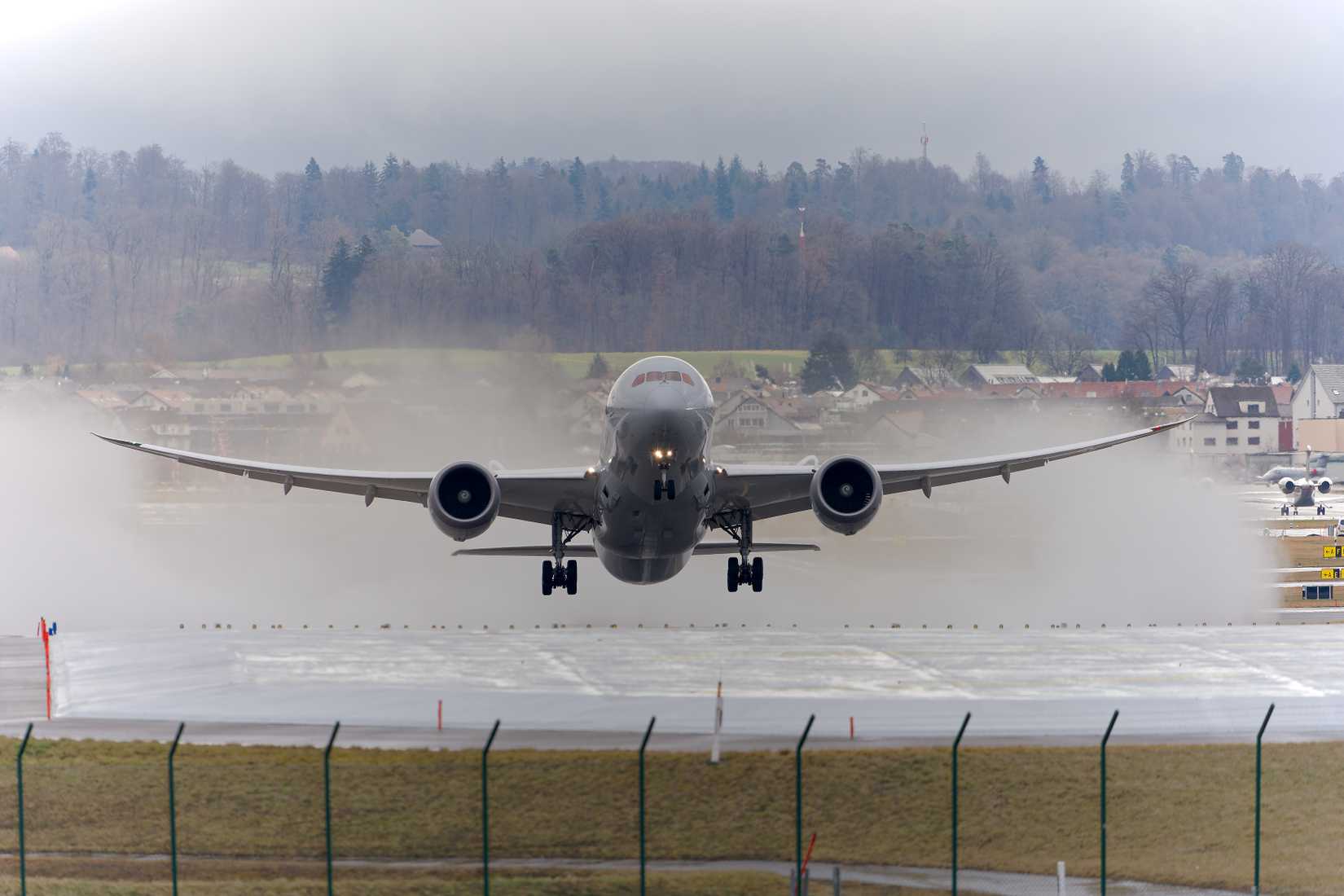
A shim gap is a small, unintended space between structural components or mating parts of an aircraft, often occurring during assembly. These gaps are filled with shims—thin, precise pieces of metal or liquid—to maintain structural integrity. Proper shimming limits vibration and ensures correct load distribution.
The purpose of shims is to prevent stress points that can cause fatigue on the aircraft. Misalignment in these gaps can compromise the airframe or affect the aircraft's performance. Shim gaps are commonly found in fuselage sections, wing-to-rib joints, and mounting areas where materials endure significant pressure, requiring tight tolerances.
Without proper shimming, accelerated structural fatigue or failure may occur. Shim gaps are typically measured using specialized tools like a Gapman device. Modern aircraft often contain thousands of custom shims to fill these unintentional spaces between structural components.